
Boat Syndication: The Guide to Smart Yacht Ownership
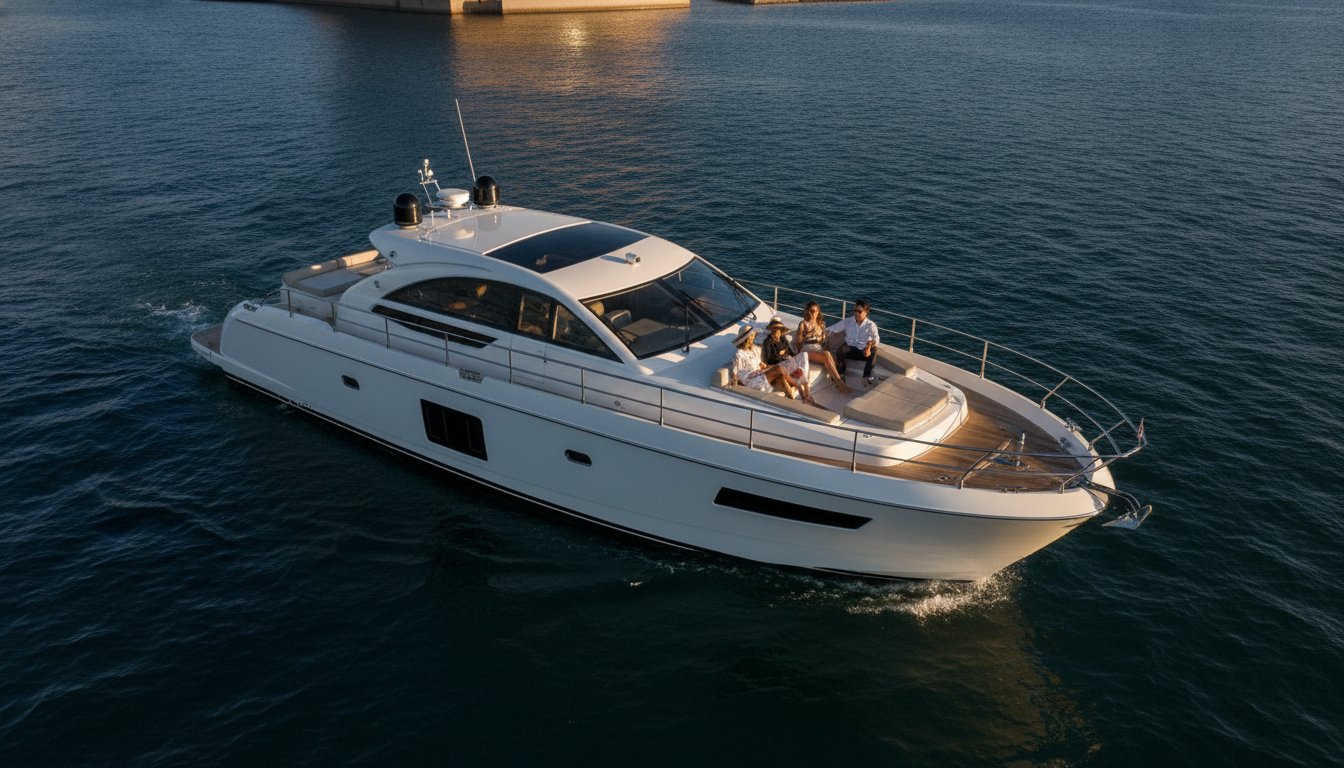
Did you know the average luxury boat owner in Australia uses their vessel fewer than 10 times a year? It is a sobering statistic that highlights the hidden cost of the traditional yachting dream. While the vision of sunset cruises on Sydney Harbour or the Gold Coast is alluring, the reality often involves wasted capital on an asset that sits idle, tied down by the stress of mechanical maintenance and complex maritime regulations. You deserve the freedom of the ocean without the weight of a heavy logistical anchor.
We understand that true luxury is about time and ease, not just the length of the hull. This guide explains how boat syndication delivers the prestige of premium yacht ownership without the burden of full capital outlay or the headache of crewing. You'll discover how to secure genuine equity in a world-class vessel while enjoying a seamless walk-on walk-off experience. We will walk you through the smart way to organise your time on the water, ensuring every moment is spent in relaxed indulgence rather than managing a maintenance checklist.
Key Takeaways
- Learn the critical difference between equity-based co-ownership and simple membership clubs to ensure you are investing in a tangible maritime asset.
- Understand how fractional shares provide a practical pathway to owning a premium vessel while significantly reducing your initial capital outlay.
- Discover how boat syndication optimises your "cost per use" and eliminates the common psychological burden of owning an idle yacht.
- Identify the essential markers of professional vessel management to ensure your time on the water is defined by safety and high-end hospitality.
- Master the art of the "walk-on, walk-off" lifestyle by choosing a program that handles every logistical detail and regulatory requirement on your behalf.
What is Boat Syndication? Defining the Modern Co-ownership Model
Boat syndication is a sophisticated evolution of the maritime lifestyle. It is a professionally managed co-ownership structure that allows you to enjoy the prestige of a luxury yacht without the logistical weight of sole ownership. Rather than bearing the entire financial and administrative load of a vessel that often sits idle, you share the costs and the joys with a small group of like-minded individuals. It is a pragmatic shift toward a more intelligent way to spend time on the water.
This model is built on the principles of efficiency and transparency. To grasp the underlying logic, it helps to consider what is fractional ownership? Essentially, it is a method of dividing a high-value asset into legal shares, ensuring that each owner’s investment is protected and their usage is guaranteed. In the Australian context, this has become the preferred choice for discerning boaties who value their time as much as their capital. A professional management company acts as the facilitator, handling the "heavy lifting" so you can focus on the horizon.
Equity vs. Membership: Knowing the Difference
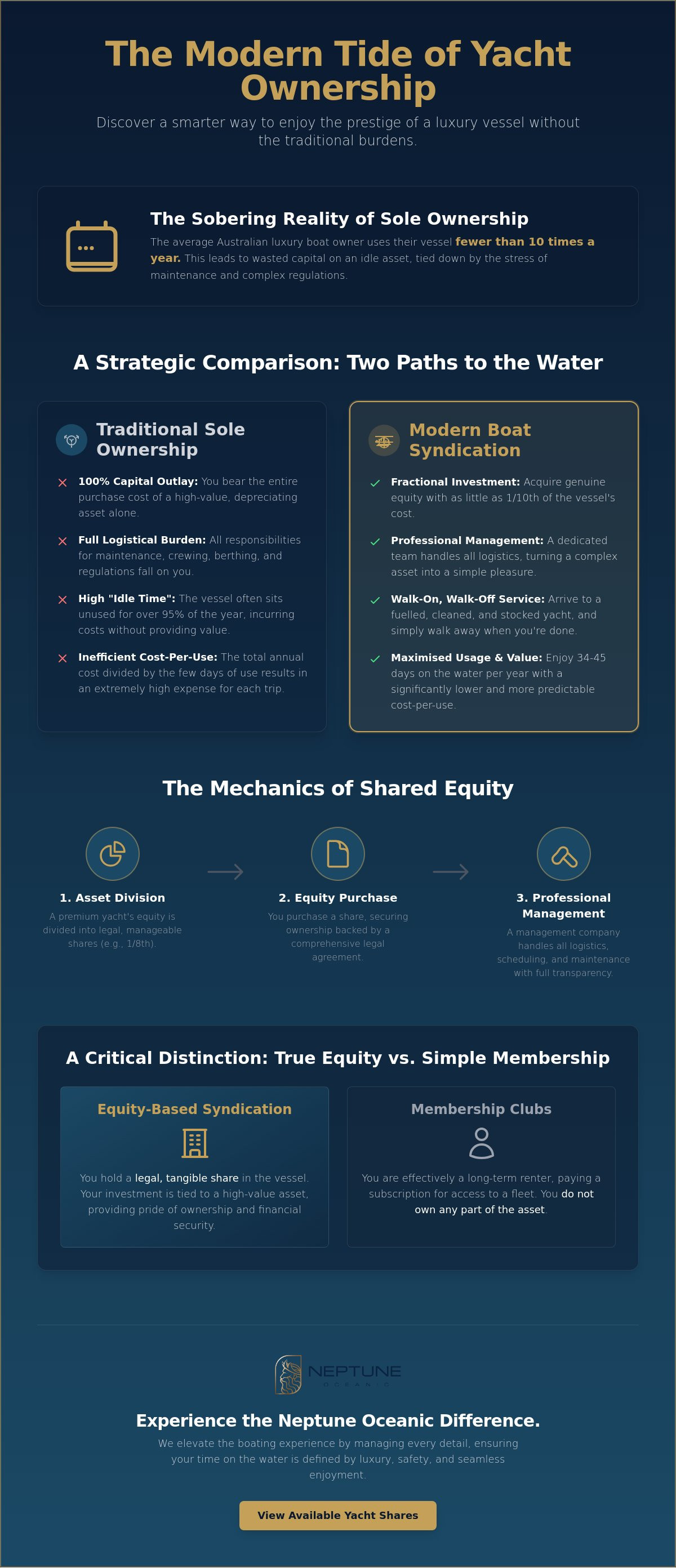
It is vital to distinguish between a boat club and a managed syndicate. Membership clubs are often subscription-based services that grant you access to a fleet, but you never actually own the assets. You are, in effect, a long-term renter. Equity-based syndication is fundamentally different because you hold a legal share in the vessel itself. This provides several distinct advantages:
- Asset Protection: Your investment is tied to a physical, high-value asset rather than a service contract.
- Pride of Ownership: The vessel is yours to enjoy, furnished and maintained to an owner's exacting standards.
- Financial Transparency: Costs are shared clearly among owners, with no hidden profit margins on your usage.
This equity provides a level of security and pride that a simple subscription cannot match. It ensures the vessel is maintained to a higher standard, as every owner has a vested interest in the boat's long-term value and condition.
The Evolution of Shared Boating in Australia
The Australian boating scene has matured significantly. We have moved past the era of informal "handshake" deals between friends, which often ended in disputes over fuel bills or cleaning duties. In 2026, the market demands a higher level of rigour. Rising costs for berthing and maintenance in premium hubs like Sydney Harbour have made the "hassle tax" of sole ownership too high for many. Modern syndicates use advanced technology to manage bookings and maintenance schedules with absolute clarity. This professionalisation has turned a complex logistical challenge into a simple, walk-on walk-off reality. For those ready to explore these opportunities, viewing available yacht shares reveals how accessible a premium maritime lifestyle has become.
The Mechanics of Shared Equity: How Syndicates Work
Understanding the inner workings of a managed syndicate reveals why this model has gained such momentum. Boat syndication operates by dividing the equity of a premium vessel into manageable portions, typically 1/8th or 1/10th shares. These fractions aren't just numbers on a page. They represent a legal right to a specific number of days on the water, usually ranging from 34 to 45 days per year for a standard 1/8th share. This structure ensures that the vessel is utilised effectively, rather than languishing in a pen for months at a time.
The foundation of this relationship is a comprehensive yacht share agreement. This document is the ultimate safeguard for your investment. It clearly outlines the rules of engagement, from how fuel costs are calculated to the process for exiting the syndicate. Because the management company acts as a neutral third party, the potential for friction between owners is removed. You aren't just buying a portion of a boat; you're investing in a structured, professional environment where every detail is pre-emptively organised. If you are curious about current opportunities, viewing available yacht shares is the best way to see how these fractions translate to world-class vessels.
The "Walk-On Walk-Off" experience is the hallmark of a well-run syndicate. Imagine arriving at the marina to find your yacht fuelled, cleaned, and stocked with fresh linens. When your journey concludes, you simply hand over the keys. The management team handles the post-trip washdown, engine checks, and laundry. This removes the "to-do list" that plagues sole owners, leaving you with only the enjoyment of the voyage itself. Most syndicates operate on a three-year cycle, after which the vessel is sold on the brokerage market and the capital is returned to the shareholders, allowing them to step into a newer model.
The Booking System: Ensuring Fair Access
Fairness is the priority in any shared asset. Modern syndicates use sophisticated, cloud-based scheduling software to ensure every owner gets their fair share of prime time. Systems often use a points-based or rotational calendar to manage high-demand periods like Boxing Day, New Year's Eve, or the Easter long weekend. This transparency eliminates any "first-come, first-served" anxiety. Owners can plan their summer holidays months in advance, while also enjoying the flexibility of standby bookings for those spontaneous, sunny Saturdays when the harbour is calling.
Financial Structure and Outgoings
The financial model is designed for absolute clarity. Owners pay an initial capital outlay for their share, followed by a monthly management fee. This fee is a collective contribution that covers the fixed costs of yachting, such as premium berthing, comprehensive insurance, and scheduled servicing. A portion of these funds is typically allocated to a "sinking fund." This proactive reserve ensures that long-term maintenance, such as anti-fouling or engine overhauls, is already funded. It provides peace of mind, knowing that the vessel's condition and your equity are being meticulously protected without unexpected "capital calls."
Syndication vs. Sole Ownership: A Strategic Comparison
Choosing between sole ownership and boat syndication is often a choice between a logistical burden and a pure lifestyle. For the average Australian yacht owner, the "cost per use" metric can be eye-watering. When you consider that many luxury vessels are used fewer than 10 times a year, the price of a single weekend on the water under sole ownership becomes difficult to justify. Syndication reframes this equation by aligning your investment with your actual usage. It ensures your capital is working as hard as you do, rather than sitting idle in a marina pen.
Beyond the financial ledger, there is a significant psychological shift. Sole owners often suffer from "owner guilt," which is that nagging feeling that they should be out on the boat simply because of the money being spent to maintain it. This turns a leisure asset into a heavy obligation. Syndicated ownership removes this pressure entirely. Because the vessel is shared, it is utilised more consistently, which is actually better for the mechanical health of the boat. You enjoy the prestige of a larger, more luxurious vessel than you might otherwise purchase alone, all while knowing the complex logistics are in expert hands.
The Reality of Sole Ownership Costs
The true cost of owning a yacht extends far beyond the initial purchase price. Owners must navigate a labyrinth of hidden expenses, from premium berthing in crowded harbours to insurance premiums and constant preventative maintenance. Then there is the "Time Tax." Most sole owners spend more time organising repairs, chasing tradespeople, and scrubbing decks than they do actually enjoying the coastline with their families. As a general rule, the annual running costs for a privately owned yacht are estimated to be around 10% of the vessel's current market value. For a multi-million dollar asset, that is a substantial recurring commitment that requires constant personal oversight.
Managed Syndication: The Efficiency Play
Professional oversight is the key to preserving the value of your maritime investment. In a syndicate, the management team follows a rigorous schedule that ensures the boat remains in showroom condition at all times. This disciplined approach directly benefits the resale value of your share when the time comes to move on. It also facilitates a level of freedom that sole ownership simply cannot match. Busy professionals can embrace walk-on walk-off boating, arriving to a perfectly prepared vessel and leaving the cleanup to the experts. If you are still weighing up your options, understanding the nuances between a Boat Club vs Syndication can help you decide which model best fits your long-term lifestyle goals.
Evaluating a Boat Share Program: What to Look For
Selecting the right partner is the most critical decision in your yachting journey. A world-class vessel is merely the hardware; the management company is the software that makes the experience run smoothly. When researching boat syndication, you must look beyond the glossy brochures and scrutinise the maritime expertise of the team. Are they seasoned professionals with a deep understanding of vessel engineering, or are they simply managing a fleet of assets? Your peace of mind depends on knowing that a steady, reliable hand is managing the complexity behind the scenes.
A primary indicator of quality is the presence of a comprehensive vessel maintenance plan. This document should serve as a meticulous blueprint for luxury asset protection, detailing every service interval and aesthetic touch-up. Transparency is equally vital. You should expect clear financial reporting through monthly management statements that account for every cent of the syndicate's outgoings. This level of openness builds the trust necessary for a long-term co-ownership relationship.
The Management Agreement Audit
The fine print of a syndicate agreement reveals the true nature of the service. Look for clear clauses regarding exit strategies. Life circumstances change, and you need to know how your share can be resold or transferred. A professional manager will have a refined process for this, acting much like a high-end concierge to facilitate the transition. Additionally, ensure the vessel is fully compliant with Australian Maritime Safety Authority (AMSA) standards. This includes everything from safety equipment audits to ensuring any professional crew hold the correct commercial certifications.
Service Standards and Hospitality
Luxury is found in the details. There is a vast difference between a basic washdown and a luxury detailing service that restores the vessel to showroom condition after every use. A premium provider should offer a concierge-level experience, where provisioning services can organise everything from chilled champagne to bespoke catering before you arrive. For those who prefer a more relaxed day of entertaining, the availability of professional skippers is a significant benefit. This allows you to host guests without the responsibility of navigation, making every trip a frictionless escape. If you are ready to see these standards in action, you can explore current yacht shares that redefine the co-ownership experience.
The Neptune Oceanic Approach: Elevating the Boating Experience
At Neptune Oceanic, we believe that owning a share in a luxury vessel should be indistinguishable from sole ownership, with the notable exception of the administrative burden. Our approach to boat syndication is built on the intersection of high-end hospitality and technical maritime excellence. While other providers might focus solely on the mechanics of the share, we focus on the quality of your time on the water. This is achieved through our premium vessel management packages, which act as a comprehensive shield for both the vessel and your leisure time.
We act as a sophisticated facilitator, bridging the gap between your desired lifestyle and the logistical realities required to maintain it. Our commitment to pristine aesthetics is a non-negotiable standard. We understand that a luxury yacht is a statement of quality, and our specialised detailing teams use premium marine-grade products to protect every surface, from the teak decking to the gelcoat. This isn't just about looking good at the marina; it's about protecting the asset from the harsh Australian sun and salt environment. By removing the "hassle tax" that often plagues sole owners, we provide a sense of freedom and ease that defines hassle-free yachting in Australia.
Bespoke On-Water Experiences
Your time is your most precious currency, and we ensure it is spent in relaxed indulgence. We don't just provide a boat; we curate the environment for lasting memories. Whether it's a quiet afternoon anchored in a secluded bay or a sophisticated twilight cruise on the harbour, our professional maritime team ensures the vessel is prepared to your exact preferences. The role of our team extends beyond mere oversight; they are the guardians of your experience, managing everything from engine room logs to the freshness of the linens. For those ready to step into this refined lifestyle, our Yacht Syndication Shares offer a seamless entry point into a world of effortless maritime leisure.
Asset Protection and Longevity
Preserving the integrity of a premium asset requires more than just a quick wash after a trip. We implement rigorous preventative maintenance protocols that go far beyond industry standards. From deep-system mechanical audits to proactive component replacement, we ensure the vessel's longevity and the protection of your equity. Our goal is simple: to keep the yacht in "as-new" condition for its entire lifecycle. This disciplined approach ensures that when the time comes to sell, the return on your investment is maximised. Explore our current yacht share opportunities and discover how we've perfected the art of intelligent, managed ownership.
Your Future on the Water Starts Here
The transition from "boat owner" to "yacht guest" on your own vessel is the ultimate maritime luxury. We have explored how managed co-ownership provides a transparent, equity-based path to the water without the logistical anchors of the past. By choosing a model that prioritises professional maritime expertise and a comprehensive walk-on walk-off service, you ensure every moment spent on the harbour is defined by relaxed indulgence rather than a maintenance checklist.
Boat syndication isn't just a cost-sharing exercise; it's a commitment to a higher standard of leisure. With our team of experts handling the complexities of regulations and upkeep behind the scenes, you're free to focus on the coastline ahead. Your investment is protected, your time is respected, and the ocean is yours to explore with absolute peace of mind.
Ready to rediscover the joy of the open sea? View Our Exclusive Yacht Syndication Shares and find the vessel that matches your lifestyle. We look forward to welcoming you aboard.
Frequently Asked Questions
How does boat syndication differ from a boat club?
Syndication provides actual equity in a specific vessel, whereas a boat club is a membership model where you pay for access to a fleet. With boat syndication, you hold a legal share in the maritime asset, allowing you to benefit from the vessel's value. Boat clubs are effectively long-term rental arrangements without the pride of ownership or the high standards of maintenance found in a dedicated, professionally managed syndicate.
Can I sell my boat share if my circumstances change?
You can sell your share at any time, subject to the terms of your specific syndicate agreement. Most owners choose to list their share through the management company's existing network of qualified buyers to ensure a smooth and professional transition. This process is handled with the same level of oversight as a traditional brokerage sale, protecting your investment and ensuring the new owner meets the syndicate's standards for co-ownership.
What happens if the boat is damaged during another owner’s session?
Damage caused during a specific session is the responsibility of the owner who was using the vessel at the time. All syndicated yachts carry comprehensive marine insurance to cover significant incidents, while minor repairs are typically funded by the individual owner's security bond or excess. This ensures that other shareholders are never financially disadvantaged by an incident they weren't involved in, maintaining the fairness of the collective arrangement.
Is fuel included in the monthly management fees?
Fuel is not included in the monthly management fees and is charged based on your actual consumption. This "user pays" system is the fairest way to manage outgoings, as a quiet afternoon at anchor uses significantly less fuel than a long coastal passage. The vessel is typically delivered with a full tank, and the management team organises refuelling after your trip, with the costs clearly itemised in your statement.
How many days of usage am I guaranteed each year?
Guaranteed usage is determined by the size of your equity share, with a 1/8th share typically providing approximately 43 to 45 days per year. These days are allocated through an equitable booking system that ensures everyone has access to peak periods and public holidays. This structured approach provides far more time on the water than the average sole owner actually uses, making it a highly efficient way to enjoy the yachting lifestyle.
Do I need a boat licence to participate in a syndicate?
A valid Australian boat licence is required for any person who intends to operate the vessel personally. If you don't hold a licence or simply prefer to relax, the management team can organise a professional skipper for your session. This flexibility allows you to enjoy the prestige of boat syndication regardless of your maritime experience, ensuring safety and confidence remain the top priority during every voyage on the water.
Are there restrictions on where I can take the vessel?
Usage is generally restricted to a specific geographical area defined by the vessel’s insurance policy and management agreement. For vessels based in Sydney or the Gold Coast, this typically includes a generous coastal range that allows for overnight stays in nearby bays and inlets. These boundaries are in place to ensure the vessel can be serviced effectively and returned to its home port in pristine condition for the next owner.
What is the typical duration of a boat syndication agreement?
Most syndication agreements are structured around a three-year term. At the end of this period, the vessel is typically sold on the open market, and the net proceeds are distributed back to the shareholders according to their equity. This lifecycle ensures that the fleet remains modern and well-maintained, allowing owners the opportunity to upgrade to a newer model or exit the arrangement with their capital returned at the end of the cycle.
Disclaimer
The content published on this blog reflects the views and experience of Neptune Oceanic and is provided for informational purposes only. While every effort is made to ensure accuracy, we make no representations or warranties regarding the completeness or suitability of any information for your individual circumstances. Nothing in this blog should be construed as financial, legal, or investment advice. All financial figures, cost estimates, and usage statistics are indicative only and may vary depending on vessel, location, and market conditions. Neptune Oceanic is a member of the Boating Industry of Australia (BIA).